
Is Your Electrical System Overloaded? Clear Signs and Smart Next Steps
Your breakers keep tripping at the worst times. Lights flicker, outlets feel warm, or you catch a faint burning smell. These are clear signs your electrical system overload may be putting your home or business at risk. We’ll walk you through what to watch for and the smart next steps to keep your space safe and powered up.
Recognizing Electrical Overload Signs
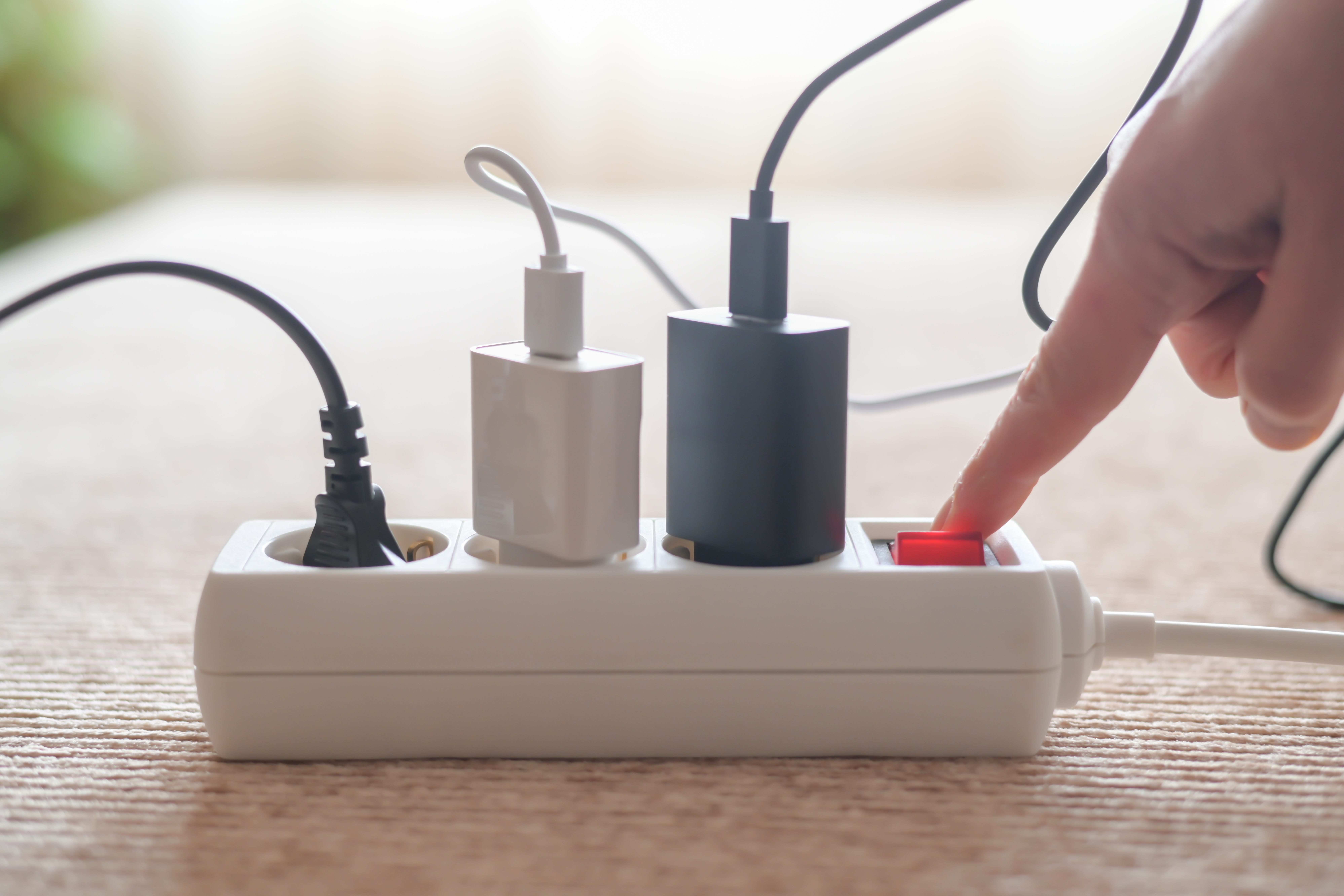
Spotting the early warnings of an overloaded electrical system can save you from major headaches down the road. Here’s what to watch out for.
Frequent Breaker Trips
Does your breaker seem to have a mind of its own? If it’s tripping often, it might be warning you of too much demand on your circuit. Each trip acts as a safeguard to protect your home from overheating wires that could lead to fires. So, if your breakers keep tripping, it’s time to dig deeper.
Start by taking note of when and where these trips occur. Is it when you turn on the microwave or plug in a space heater? Knowing this can help you pinpoint overloaded circuits. Still scratching your head? It might be time to consider a professional evaluation. Most people think their system is fine, but frequent trips suggest otherwise.
Flickering or Dimming Lights
Notice your lights flickering like a scene from a horror movie? This could mean your electrical system is under stress. When lights flicker, they’re often competing with larger appliances for power. This dance between light and dark isn’t just annoying, it’s a sign of strained circuits.
Flickering can point to a bigger issue: an overloaded circuit not handling the current load. If the flickering persists, try unplugging non-essential devices. If that doesn’t help, it’s time to call in a pro. Don’t wait until the lights go out completely.
Warm or Discolored Outlets
If your outlets feel warm to the touch or show signs of discoloration, this is a big red flag. Warmth indicates that your outlet is working harder than it should. This can lead to melted wires or even a fire.
Check outlets regularly, especially those near heavy-use areas like the kitchen. If you notice any warmth or discoloration, unplug devices immediately and refrain from using that outlet until it’s inspected. Remember, prevention is key. The longer you ignore it, the more you risk.
Smart First Steps to Take
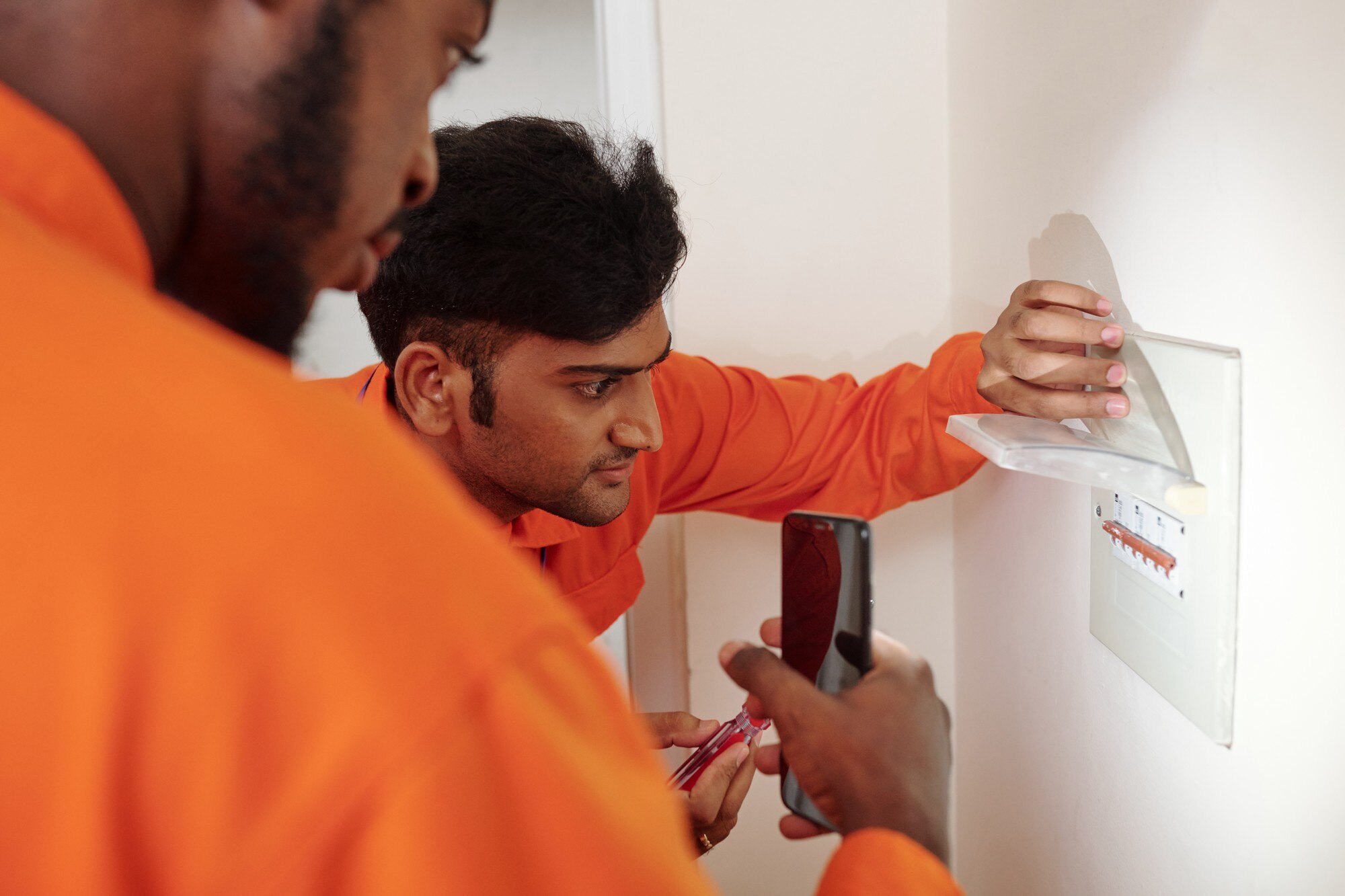
Now that you’ve identified potential issues, it’s time to take action. Here are some smart ways to ease the load on your electrical system.
Unplug Non-Essential Devices
Start with the simplest step: unplugging. Devices left plugged in, even when not in use, can draw power. It’s easy to overlook, but unplugging can free up needed capacity on your circuits.
Think about your daily routine. Do you leave your phone charger or toaster plugged in? By unplugging these when not in use, you reduce unnecessary strain. It’s a small change that offers a big benefit. Here’s the key insight: small actions add up to safer systems.
Avoid Daisy Chaining Power Strips
Daisy chaining, or connecting multiple power strips together, is tempting but dangerous. This setup can overload circuits and lead to electrical fires. It’s a common mistake, but one you can easily fix.
Consider investing in a single, high-quality power strip with enough outlets for your needs. This not only reduces the risk of overload but also clears up the clutter of cords. Most people think more outlets mean better capacity, but it’s the opposite. Keep it simple for safety’s sake.
Redistribute Electrical Loads
To balance your power usage, try redistributing electrical loads. This means plugging devices into different circuits to spread out demand.
Identify high-load appliances, like refrigerators or air conditioners, and ensure they’re on separate circuits from smaller devices. This keeps your system from becoming overburdened in one area. If you’re unsure how to redistribute effectively, seeking professional advice is a wise move. Think of it as a load calculation for your peace of mind.
When to Contact a Professional
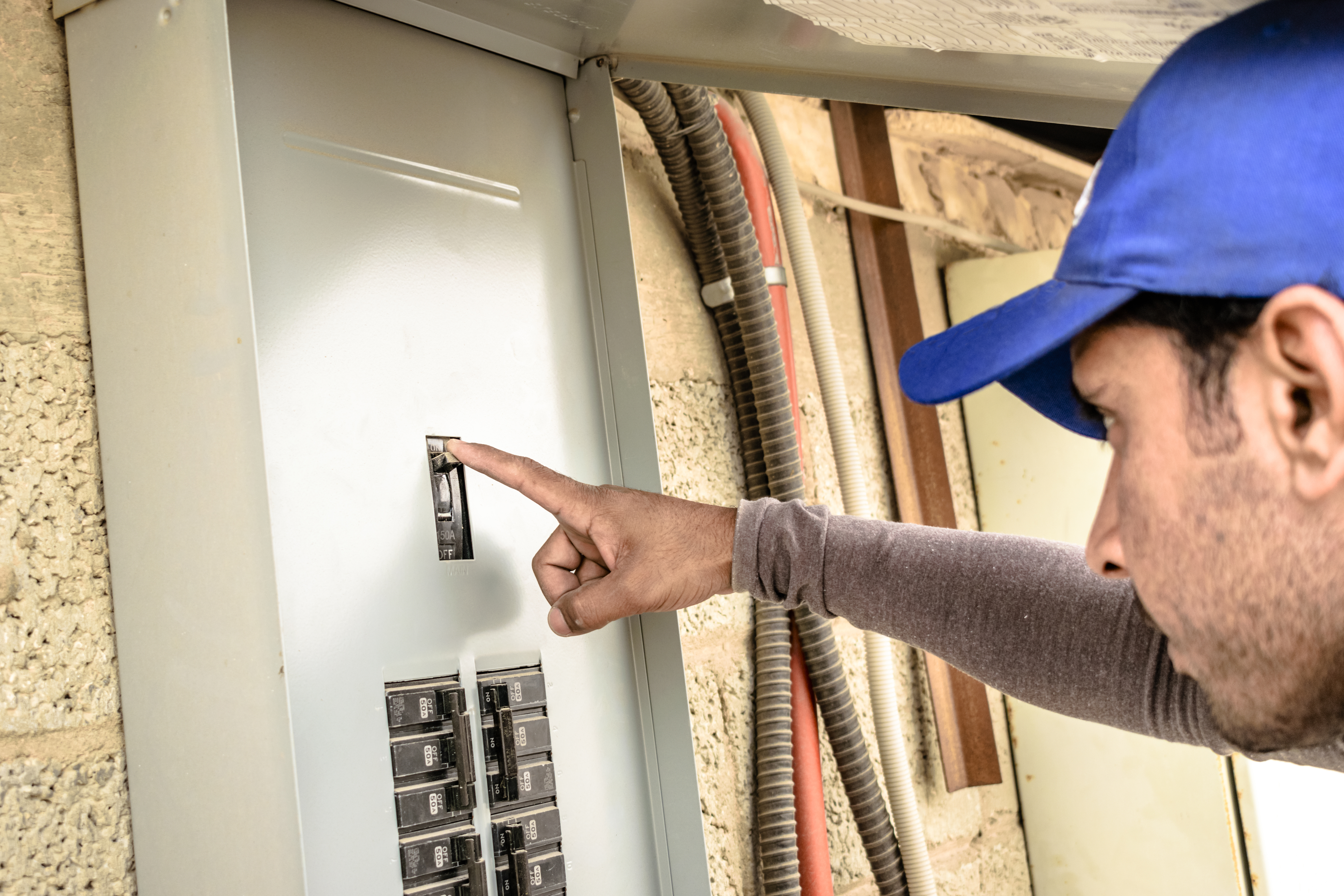
There comes a point when DIY measures aren’t enough. Here’s when you should reach out to an expert.
Schedule a Safety Inspection
A professional safety inspection can catch what you might miss. Experts can assess your entire system, checking for any signs of wear or potential overload.
Scheduling regular inspections ensures your home or business stays safe and powered efficiently. It’s not just about fixing immediate problems, but about prevention. An inspection now avoids costly repairs later. Most think they’re unnecessary until it’s too late.
Consider Electrical Panel Upgrades
If your system struggles to keep up with demands, an upgrade might be in order. Older panels can’t always handle modern power needs. Upgrading ensures your system can support all your devices safely.
An electrical panel upgrade isn’t just about adding capacity. It also involves updating outdated components that could fail. The longer you wait, the more risk you assume. Upgrades offer peace of mind and increased home value.
Install Dedicated Circuits and Surge Protection
For high-load appliances, dedicated circuits are a smart choice. They provide a direct line for specific devices, preventing overload on shared circuits.
Surge protection adds an extra layer of safety. It shields your devices from power spikes, reducing the risk of damage. Installing these tools is a proactive step towards safeguarding your home and electronics. Professional help ensures these are set up correctly and efficiently.
In conclusion, understanding the signs of an overloaded circuit and taking the right steps can protect your property and family. Don’t delay in addressing these issues, and remember, T.A.P. Electric is always here to help guide you through any electrical concerns. Your safety and satisfaction are our priorities!