
Keep Your Plant Powered: Practical Tips to Maintain Safe, Reliable Industrial Electrical Systems
Downtime from electrical issues can cost your plant thousands every hour. When your industrial electrical maintenance slips, safety risks and unexpected outages quickly follow. In this post, you’ll get straightforward tips to keep your systems safe and running smoothly—cutting risk and downtime before problems start. For more insights, check out this guide to industrial electrical maintenance safety.
Boost Reliability with Preventive Maintenance
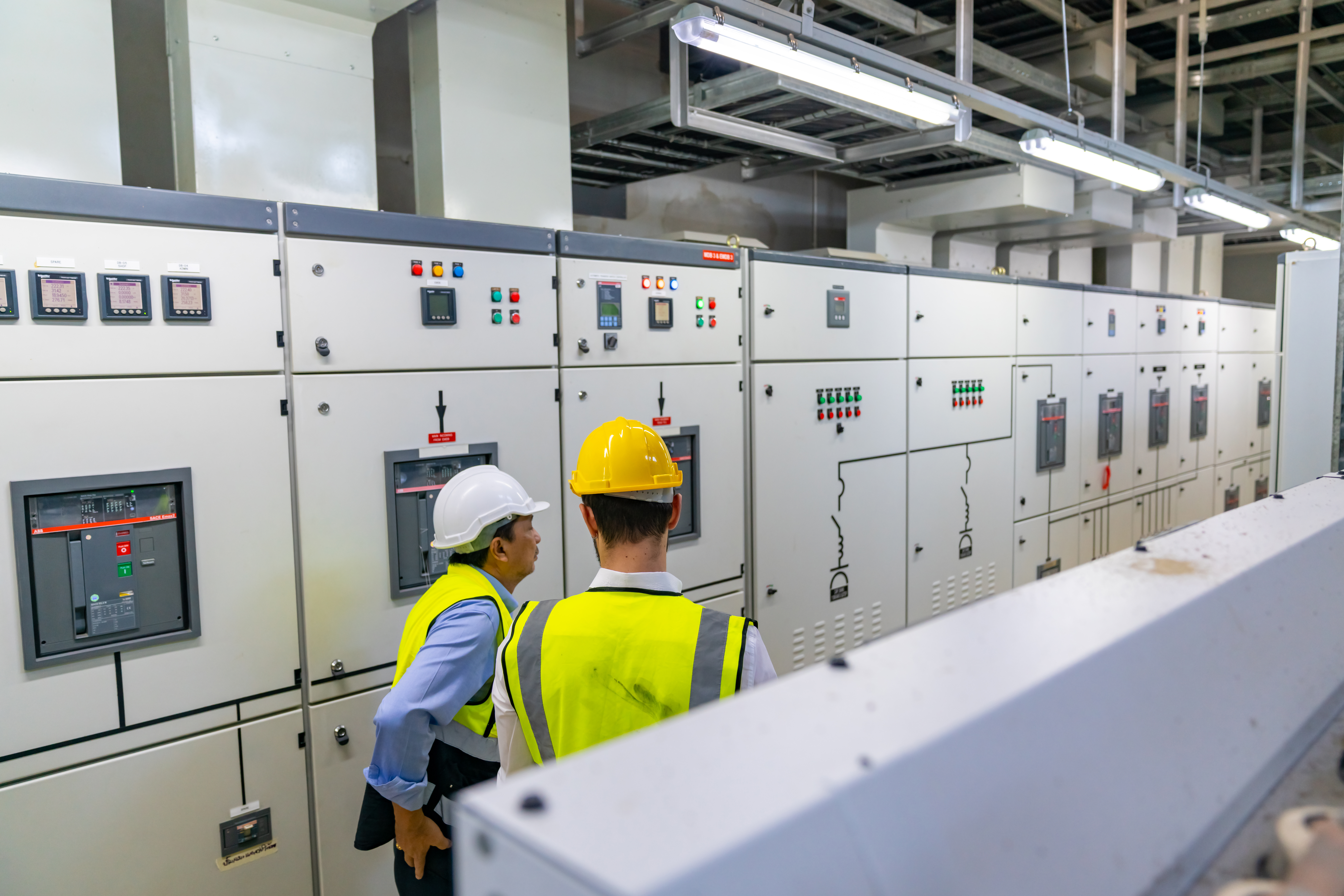
Getting ahead of electrical issues is your best defense. Regular check-ups ensure your systems run like clockwork, saving you from costly surprises.
Benefits of Regular Inspections
Imagine avoiding a major breakdown just by catching a small issue early. Regular inspections let you spot problems before they spiral. Your team stays safe, and your operations keep humming. Each inspection reveals potential weaknesses. You might find a wire that’s wearing out or a circuit that needs attention. Fixing these early is cheaper than dealing with a breakdown later.
Inspections also help you plan better. You’ll know when parts need replacing, so you can budget accordingly. This proactive approach means fewer unexpected expenses. Plus, regular care extends the life of your equipment. It’s like giving your car regular oil changes to keep it running smoothly. Your electrical systems deserve the same care.
Key Tasks for Industrial Electrical Maintenance
Keeping up with electrical maintenance involves a few key tasks. First, always check your equipment for any visible wear and tear. Look for frayed wires or corroded connections. These are warning signs that need quick action. Next, test your systems regularly. Use tools like infrared thermography to spot hot spots that signal trouble. This helps in preventing fires and equipment failure.
Don’t forget to clean and tighten connections. Loose connections can cause overheating and damage equipment. A simple task like this can prevent major issues. Finally, keep an eye on your load levels. Overloaded systems are a risk for outages and fires. Understanding your load can help you balance it more effectively. If you’re unsure about where to start, this guide on maintaining industrial power systems offers some practical insights.
Ensure Safety and Compliance

Staying compliant with safety standards is crucial for any facility. It protects your staff and keeps operations legal and smooth.
Importance of NFPA 70E Compliance
Your crew’s safety depends on following the right standards. NFPA 70E sets the guidelines for electrical safety in the workplace. It’s more than just a rule—it’s a lifesaver. By adhering to these standards, you reduce the risk of electrical hazards. It involves understanding arc flash boundaries and using proper personal protective equipment (PPE).
Training is key. Everyone on your team should know how to handle electrical equipment safely. This knowledge not only protects them but also minimizes accidents that lead to downtime. Regular updates on safety standards ensure that your facility is always in line with the latest requirements. For a deeper dive into these standards, see this detailed report on electrical safety.
Conducting Comprehensive Electrical Safety Inspections
A thorough safety inspection is more than just a walkthrough. It’s a detailed look at every part of your electrical system. Start by checking for any obvious hazards. This includes exposed wires, damaged outlets, or overloaded circuits. Each of these poses a risk to your team and your facility.
Next, use tools like infrared cameras to detect hidden issues. These devices can find hot spots that aren’t visible to the naked eye. Regular safety audits also help you spot trends. Maybe a specific area of your plant always has issues. Addressing these patterns can prevent future problems. Your inspections should be regular and documented. This record helps track improvements and shows compliance with OSHA standards.
Minimize Downtime with Expert Services

You need reliable service around the clock to keep operations running smoothly. Expert help can make all the difference when trouble strikes.
24/7 Emergency Electrical Service
When an electrical issue hits, time is of the essence. Having a team available 24/7 ensures you get back online fast. This service minimizes downtime and keeps costs in check. Quick response means less disruption to your workflow. An experienced team can diagnose problems rapidly and implement fixes on the spot. They bring the right tools and expertise to handle any situation, no matter the hour.
Having a reliable partner also brings peace of mind. You know that help is just a call away, any time of day. This readiness is a key part of maintaining smooth operations and keeping your plant productive.
Importance of Power Quality Analysis
Understanding your power quality is crucial for smooth operations. Poor power quality can lead to equipment malfunctions and increased energy costs. An analysis helps you pinpoint issues like harmonic distortion and voltage sags. These problems can cause equipment to fail or run inefficiently.
With a power quality analysis, you can make informed decisions about upgrades or changes. It helps you optimize your energy use and reduce waste. This not only lowers your bills but also extends the life of your equipment. Regular analysis ensures your power supply remains stable and reliable. By addressing issues early, you prevent costly repairs and downtime.
By focusing on these key areas, you ensure your plant remains safe, efficient, and reliable. Keep your systems in check with regular inspections and expert support, and you’ll avoid the pitfalls that lead to costly downtime.