
Older Home Electrical Hazards: How to Spot Them and Prevent Accidents
Older homes often carry hidden electrical risks that can put your family and property in danger. Flickering lights, warm outlets, or tripping breakers are signs you shouldn’t ignore. We’ll show you how to spot these older home electrical hazards and simple steps to keep your home safe. If you’ve noticed any warning signs, we’re here to help with expert inspections and solutions you can trust. For more information, you can check this resource: https://www.esfi.org/know-the-dangers-in-your-older-home/
Identifying Older Home Electrical Hazards
Understanding the signs of trouble in older homes can be a lifesaver. Many homes built before 1990 have wiring that might pose risks if left unchecked. Here’s how to identify potential dangers lurking in your walls.
Common Warning Signs
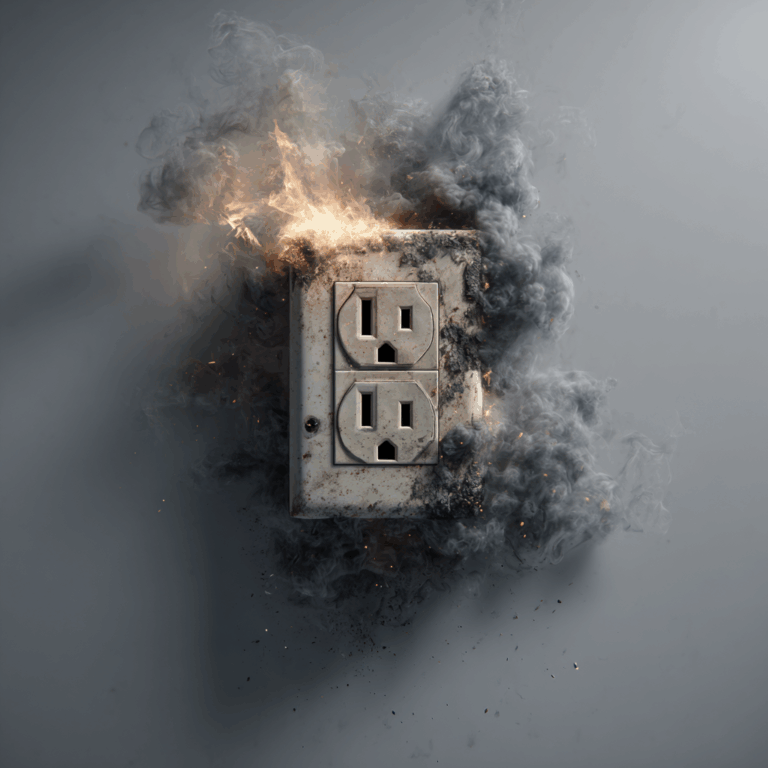
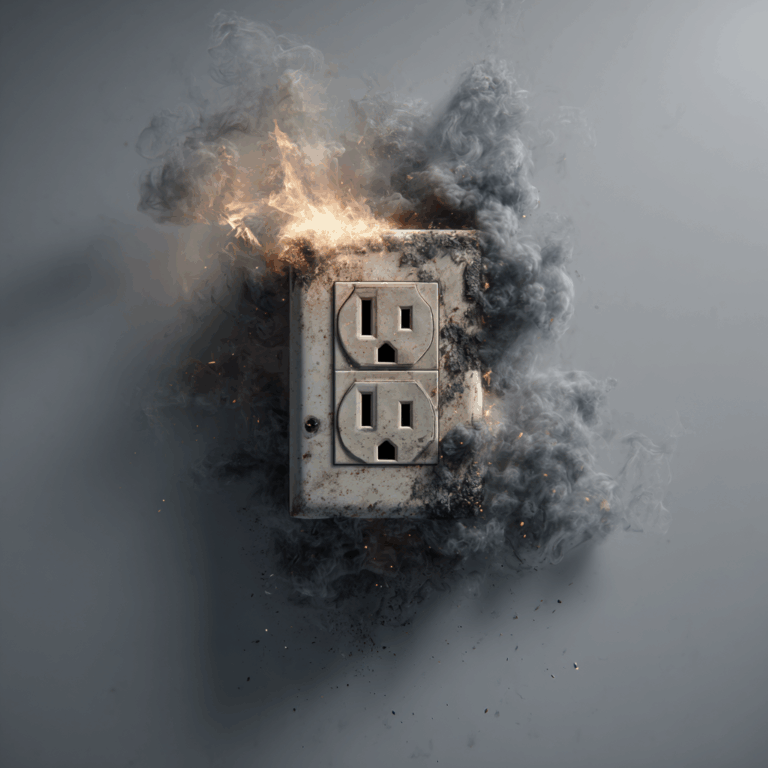
Have you ever noticed your lights flickering? This could be a telltale sign of electrical issues. Other indicators include outlets getting warm to the touch and breakers that trip frequently. These signs shouldn’t be ignored as they can lead to more severe problems. If you detect a burning smell near an outlet, it’s crucial to act immediately. Such odors could indicate an overheating wire, which is a serious fire hazard.
Flickering lights aren’t just annoying; they might suggest loose connections or overloaded circuits. Tripping breakers serve as a warning that your system is drawing too much power—this could be due to outdated wiring. Warm outlets are also a red flag, suggesting overworked circuits or faulty wiring.
For more on electrical warnings, visit Noonan Energy’s guide.
Knob and Tube Wiring Risks
You might think old-fashioned wiring systems are quaint, but they can be dangerous. Knob and tube wiring, common in homes built before the 1940s, lacks the capacity for modern power demands. It’s not grounded, which increases the risk of electrical shocks.
Knob and tube systems can become brittle over time, leading to exposed wires. This type of wiring is also not designed to handle today’s appliances, which can lead to overheating and potential fires. If your home has this wiring, consider having a professional inspect it. They can determine if an upgrade is necessary.
Curious about the risks of older wiring? Check out this article from Three Sixty Safety.
Aluminum Wiring Hazards
Aluminum wiring was commonly used in the 1960s and 1970s but is now known for its risks. It tends to oxidize and degrade faster than copper, leading to loose connections. These connections can overheat and potentially cause a fire.
If your home has aluminum wiring, it’s essential to get it checked. Special connectors and switches are available to make aluminum-copper connections safer, but professional installation is key to ensuring safety.
For more insights, explore California Casualty’s post.
Preventing Electrical Accidents
Knowing the warning signs is just the beginning. Taking action to prevent electrical accidents is vital for peace of mind. Here’s how you can make your home safer.
Simple Safety Tips
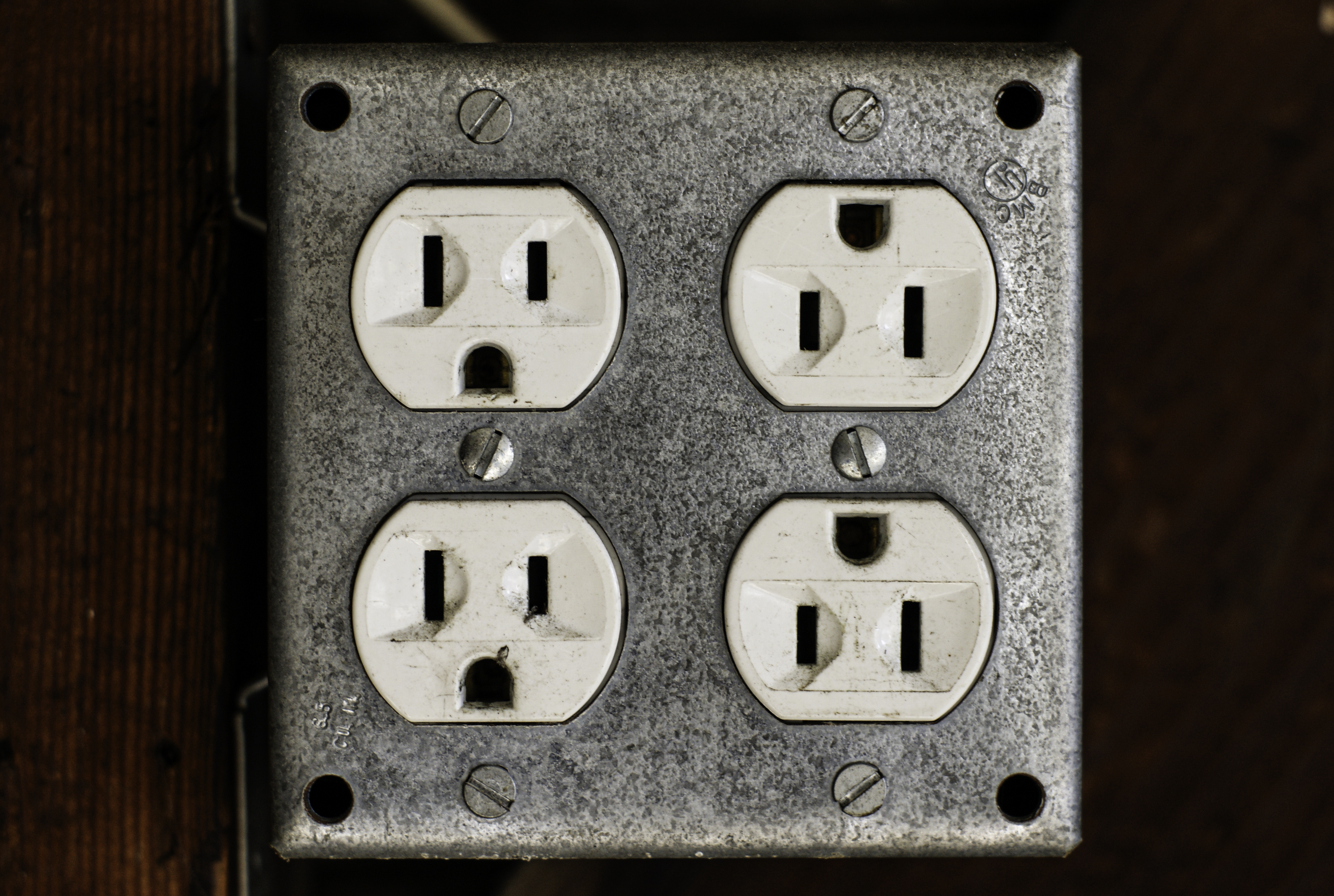
You don’t need to be an electrician to make your home safer. Start by regularly checking your cords and outlets for wear and tear. Avoid overloading outlets and never run cords under rugs. Simple steps like these can prevent accidents.
Consider installing smoke detectors near your electrical panels. They can alert you to overheating before it becomes a fire. If you’re unsure about your home’s safety, consult a professional. They can provide personalized advice and solutions.
Importance of GFCI and AFCI
Ground Fault Circuit Interrupters (GFCIs) and Arc Fault Circuit Interrupters (AFCIs) are crucial for modern home safety. GFCIs protect you from electrical shock in wet areas like kitchens and bathrooms. A home without them might not meet today’s safety standards.
AFCIs, on the other hand, detect dangerous electrical arcs and cut the power before a fire starts. They are especially important in older homes where wiring conditions might be unknown. Installing these interrupters can significantly enhance your home’s safety.
Electrical Panel Upgrade Benefits
An old electrical panel can be a weak link in your home’s safety chain. Upgrading your panel not only supports modern appliances but also reduces the risk of electrical fires. New panels manage power more effectively, preventing overloads associated with older systems.
A panel upgrade might seem like a big investment, but it pays off in safety and efficiency. It also increases your home’s value, making it a smart financial move. For more information, check out this expert guide on electrical panels.
Professional Inspection and Services
Even with diligent care, a professional touch ensures everything’s in top shape. Here’s why scheduling an inspection can be your best move.
Scheduling a Home Safety Inspection
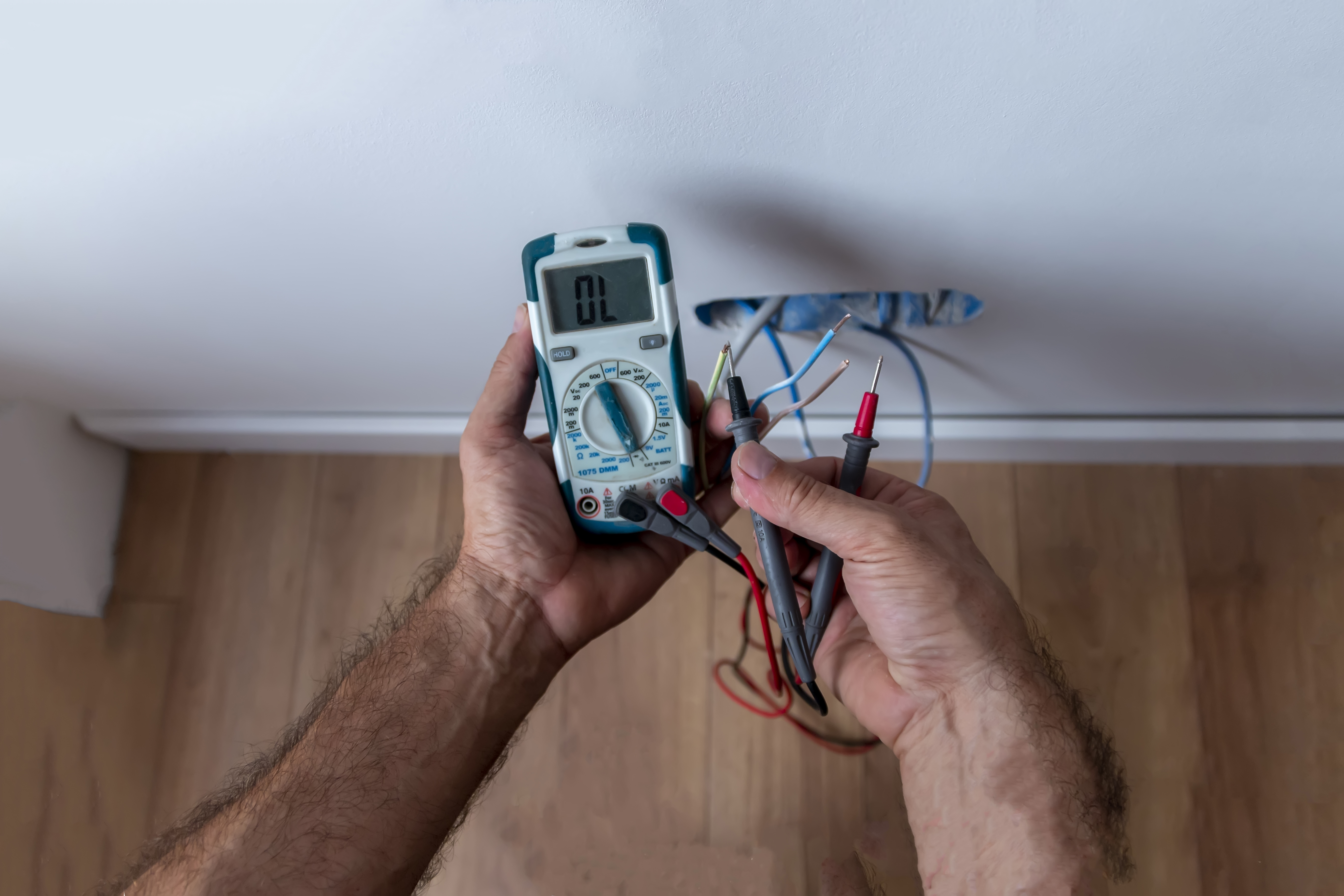
Think of a home safety inspection as a health check-up for your house. Professionals can spot hidden issues that might not be visible to the untrained eye. They provide a thorough assessment, giving you peace of mind.
Scheduling an inspection is straightforward and can be done at your convenience. Regular checks can prevent small issues from turning into costly repairs. Don’t wait for a warning sign—be proactive with your home’s safety.
Benefits of Rewiring and Upgrades
Rewiring an older home might sound daunting, but it’s a crucial step for safety. New wiring reduces the risk of electrical fires and improves energy efficiency. It ensures that your home can handle today’s electrical demands without strain.
Upgrades are about more than just wires. They include installing safer outlets and switches, upgrading your panel, and ensuring everything meets current codes. These improvements not only protect your home but also add value.
Emergency Electrician Services 24/7
Emergencies don’t wait for business hours, and neither should your response. That’s why having access to a 24/7 electrician is vital. Whether it’s a sudden outage or a more serious issue, professional help is just a call away.
Having a reliable emergency service ensures that you’re never left in the dark. It’s about safety and convenience, providing peace of mind that help is always available. Remember, the longer you wait, the more risks you face.
In conclusion, keeping your older home safe from electrical hazards is about being informed and proactive. Regular inspections and timely upgrades go a long way in ensuring safety and peace of mind. Trust your local experts to guide you every step of the way.
Visit T.A.P. Electric for more information or to book your appointment.