
Older Home Electrical Problems: What to Watch For—and How Pros Fix Them
Older homes often carry charm, but their electrical systems can tell a different story. Flickering lights, breakers that trip without warning, or outlets that stop working are signs your wiring might need a closer look. We’re here to help you spot these older home electrical issues and explain how licensed electricians fix them safely. Keep reading to learn what to watch for—and why a professional inspection with T.A.P. Electric makes all the difference.
Common Electrical Issues in Older Homes

Older homes have their own unique set of electrical challenges. Knowing what to look out for can help you avoid bigger problems down the line. Let’s explore some common issues you might encounter and what they mean for your home.
Flickering Lights and Their Causes
Have you ever noticed your lights doing a little dance? It might seem harmless, but flickering lights can indicate a bigger problem.
First, it’s important to check if the bulb is loose or needs replacing. If that’s not the issue, the flicker might be a sign of a faulty connection in the wiring. This could lead to overheating or a fire hazard. Another possibility is that the circuit is overloaded. Too many appliances or lights drawing power from the same circuit can cause lights to flicker.
If you’re experiencing this frequently, it’s time to have an electrician take a closer look. They can assess whether the wiring needs repair or if the circuit needs to be adjusted. A professional can ensure everything is safe and sound.
Outlet Not Working: What to Check
An outlet that suddenly stops working can disrupt your day. But before you call anyone, there are a few things you can check yourself.
First, make sure the outlet isn’t controlled by a wall switch. Sometimes outlets are wired to a switch, and if it’s off, the outlet won’t work. Next, check the breaker box to see if the circuit has tripped. If it has, resetting it could solve the problem.
If these steps don’t work, the issue might be more serious. The wiring inside the wall could be damaged or the outlet itself might be faulty. In such cases, it’s best to contact a professional to diagnose and fix the problem safely.
Breaker Tripping: Understanding the Problem
Have you ever had the power cut out unexpectedly? Tripping breakers can be a nuisance, but they’re designed to protect your home.
When a breaker trips, it means the circuit is drawing more electricity than it can handle. This could happen if too many devices are in use at once or if there’s a short circuit somewhere. While resetting the breaker might seem like a quick fix, frequent tripping is a sign of a bigger issue.
An overloaded circuit, faulty wiring, or a malfunctioning appliance could be the culprit. A licensed electrician can evaluate your electrical system and ensure everything is safe and up to code.
How Professionals Fix Electrical Problems

Now that you know the common issues, let’s talk about how experts tackle them. Professional solutions ensure your home remains safe and functional.
Knob and Tube Wiring Solutions
Knob and tube wiring was common in homes built before the 1940s. While it might still function, it comes with risks.
This type of wiring lacks a grounding conductor, which can be dangerous. It also can’t handle modern electrical loads. If your home has this old wiring, an electrician can replace it with safer, modern wiring. They will run new wires through the walls and attic, ensuring your home can support today’s electrical demands.
Upgrading this wiring not only improves safety but also helps in meeting electrical codes.
Aluminum Wiring Repair Techniques
Aluminum wiring was used in homes during the 1960s and 70s. Although it conducts electricity, it poses unique challenges.
The main issue is that aluminum expands and contracts more than copper, leading to loose connections. This can cause overheating, which is a fire risk. Electricians have several ways to address this. One method is to use special connectors that stabilize the connections. Another is to replace the aluminum wiring with copper.
Taking action can prevent potential hazards and ensure your home’s electrical system is reliable.
Electrical Panel Upgrade for Safety
An outdated electrical panel can lead to numerous issues. Modern homes require more power, and older panels might not be up to the task.
Upgrading your panel can prevent overloads and reduce fire risks. Electricians can install a new panel that meets current standards and supports your energy needs. This upgrade also makes it easier to add new circuits if you plan on expanding your home’s electrical system.
A new panel not only improves safety but can also increase your home’s value.
Ensuring Electrical Safety and Compliance
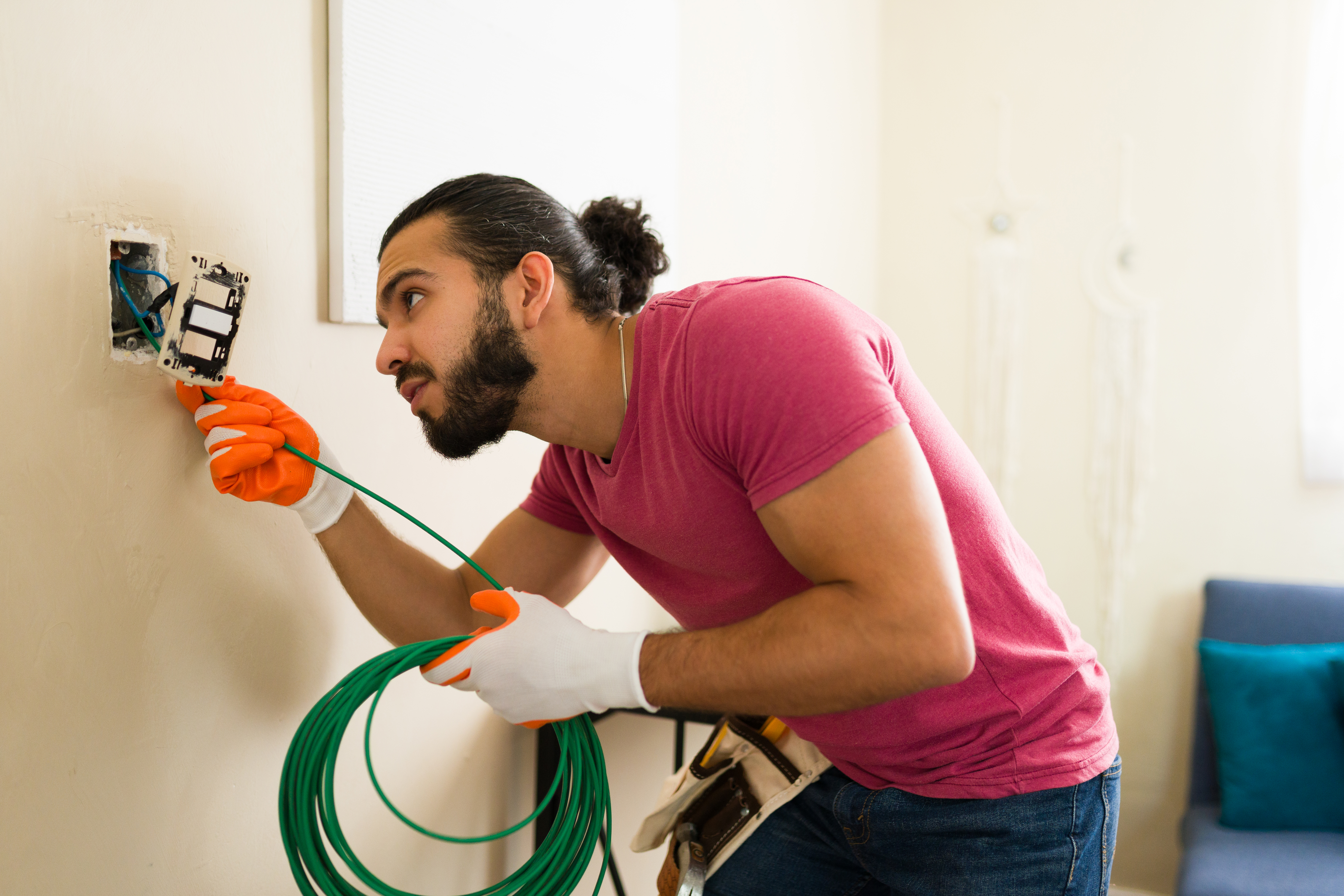
Keeping your home safe means staying on top of inspections and updates. Here’s how regular checks and upgrades help.
Importance of Home Electrical Inspection
Regular inspections are vital for maintaining a safe home. Even if everything seems fine, hidden issues can lurk behind walls.
During an inspection, an electrician checks your wiring, panels, and outlets. They can spot problems like frayed wires or outdated components that might not be obvious. Identifying these issues early can prevent more serious problems down the road.
Having an inspection gives you peace of mind, knowing your electrical system is secure.
Grounding and Bonding Corrections
Grounding and bonding are crucial for electrical safety. They prevent electrical shock and ensure your system operates properly.
If your home lacks proper grounding, it’s not only unsafe but also out of code. An electrician can establish a proper grounding system to protect against surges and faults. Bonding ensures that all metal components in your electrical system are connected, reducing the risk of an electrical shock.
Both of these measures are essential for a safe home environment.
GFCI and AFCI Protection Benefits
Ground Fault Circuit Interrupters (GFCI) and Arc Fault Circuit Interrupters (AFCI) are vital safety features. They protect against electrical shock and fire hazards.
GFCIs are typically installed in areas with water, like kitchens and bathrooms. They cut off power quickly if there’s a fault, preventing shocks. AFCIs protect against electrical fires by detecting dangerous arcing conditions in wiring.
Installing these devices adds an extra layer of protection to your home, ensuring safety for you and your family.
By addressing these common electrical issues and solutions, you’re taking important steps to protect your home. Whether it’s replacing old wiring or upgrading your panel, professional electrical services ensure your home remains safe and efficient, ready to handle modern demands.