
Ready to Scale: Preparing Industrial Electrical Systems for Expansion and Safer Operations
Plant expansions often hit a wall when electrical systems can’t keep up. If your current setup struggles under new demands, safety risks rise and downtime looms. Planning ahead with a thorough industrial electrical upgrade can keep your operations running smoothly and your team protected. Let’s walk through key steps to prepare your facility for growth and safer operations without surprises.
Assessing Current Electrical Capacity

Taking a closer look at your facility’s current electrical capacity sets the stage for seamless growth. Before any expansion, you need to know your system’s limits and potential.
Conducting a Load Study
Start by understanding your current power usage. A load study reveals how much electricity your facility consumes during peak operations. This is essential to identify any weak spots that could lead to outages. By examining your electrical load, you can spot areas where usage spikes or where demand exceeds supply. Keep in mind that accurate data from this study helps you plan upgrades effectively.
Importance of Capacity Planning
Now that you know your consumption, what’s next? Capacity planning helps you prepare for future demands. Think of it as a roadmap for growth. By forecasting your electrical needs, you can avoid surprises down the road. This involves considering your plant’s expansion plans and any new machinery that might be added. Planning ahead ensures you have the resources to meet future demands without compromising safety or efficiency.
Evaluating Electrical Panel Needs
After understanding your capacity, it’s time to check your electrical panels. These panels are the heart of your facility’s power system. Ensure they are up to the task by evaluating their condition and capacity. An outdated or overloaded panel can cause disruptions and pose safety risks. Consider if an electrical panel upgrade is necessary to support future growth. This step helps keep your operations running smoothly.
Planning for Plant Expansion
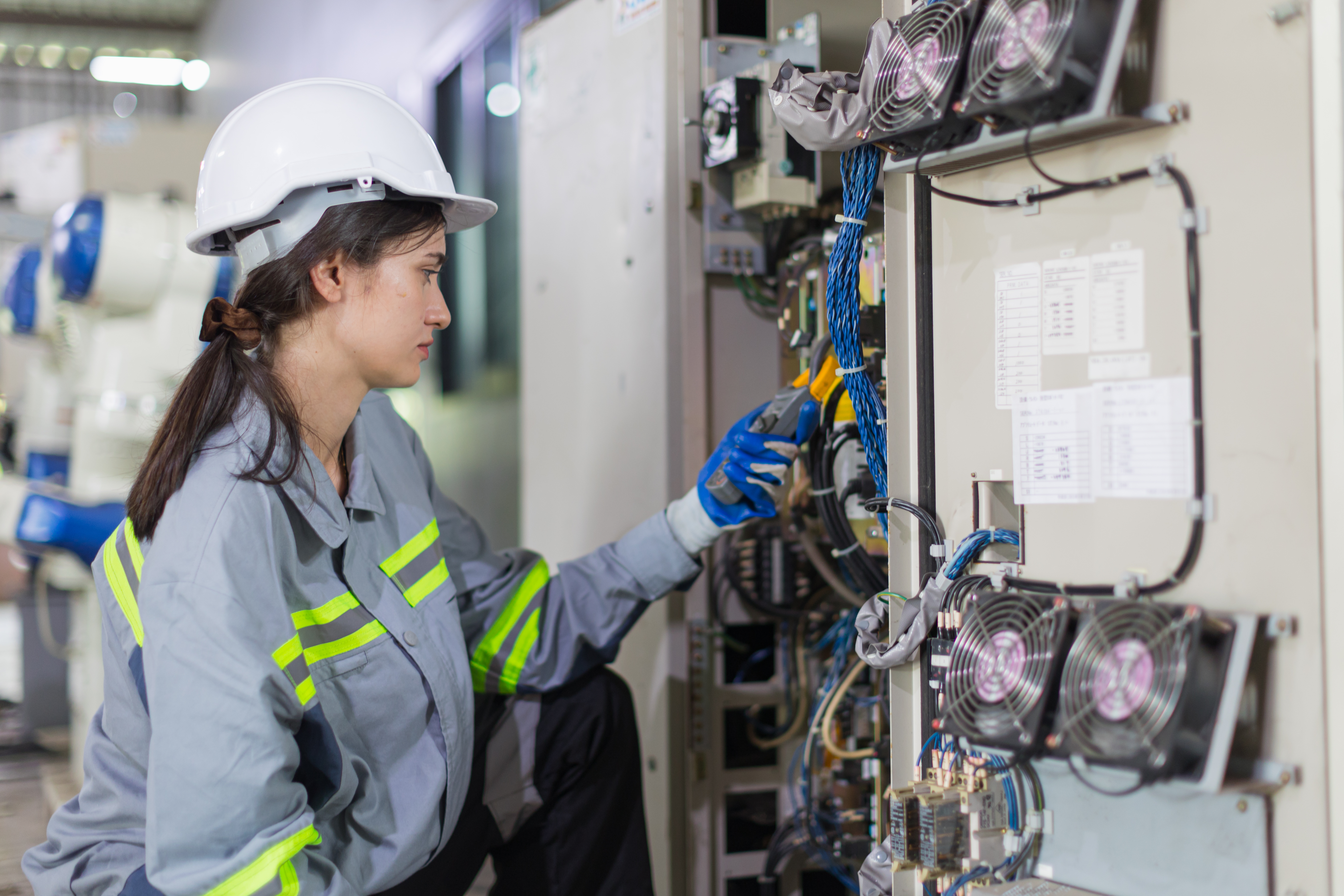
With a clear picture of your current setup, it’s time to plan for expansion. Coordinating power distribution properly is crucial to accommodate new demands.
Effective Power Distribution Coordination
Effective power distribution coordination is like choreographing a dance where every piece moves in sync. As your facility grows, make sure your power distribution systems can handle the load. This involves checking transformers, feeders, and power lines. A well-coordinated system reduces the risk of overloads and ensures reliable power flow. Power distribution coordination helps your facility operate efficiently, even as demands increase.
Prioritizing Switchgear and Transformer Upgrades
Switchgear and transformers are key components in your electrical system. Upgrading these ensures they can handle increased loads. Old equipment might not withstand the demands of a growing facility, leading to breakdowns. Prioritize these upgrades to prevent costly downtime. New switchgear and transformer upgrades enhance safety and reliability, keeping your operations on track.
Implementing Arc Flash Study and Labeling
Safety is a top priority. Conduct an arc flash study to assess and mitigate risks in your electrical systems. This identifies potential hazards and helps protect your team from electrical incidents. Once the study is complete, use clear labeling to mark equipment and inform workers of potential dangers. Implementing this step fosters a safer work environment.
Enhancing Safety and Compliance

Ensuring safety and compliance is vital as your facility expands. Adhering to standards keeps your team safe and avoids legal issues.
NFPA 70E Compliance Strategies
The NFPA 70E standard outlines safety practices for electrical work. Compliance ensures your team is protected from electrical hazards. Implement strategies that promote safe work practices, such as training programs and safety protocols. Regular audits help identify and address potential risks. By adhering to these standards, you create a safer workplace for everyone.
Preventive Maintenance and Thermal Imaging
Routine maintenance is key to preventing issues before they arise. Thermal imaging helps identify hot spots in your electrical systems, signaling potential problems. Regular checks ensure your equipment runs smoothly and safely. Preventive maintenance saves you time and money by reducing unexpected breakdowns. It’s a proactive approach to keeping your operations running efficiently.
Upgrading with Energy-Efficient LED Lighting
Finally, consider upgrading to energy-efficient LED lighting. LEDs reduce energy consumption and lower utility bills. They also produce less heat, which can alleviate stress on your electrical systems. As you expand, energy-efficient lighting helps keep operational costs in check while providing bright and reliable illumination.
By taking these steps, you ensure your facility is ready to grow without compromising safety or efficiency. Planning and implementing upgrades now saves you from costly issues later, keeping your team safe and your operations running smoothly.