
Smart Home Electrical Installations: What Homeowners in Southeast Iowa and West Central Illinois Need to Know
Smart home installation Iowa offers more than just convenience—it’s about making your home safer and smarter for every day. But before you pick devices off the shelf, there’s a lot to consider: Is your electrical panel ready? What about wiring and surge protection? We’re here to help you understand the essentials so your upgrade goes smoothly and safely. Read on to learn what every homeowner in Southeast Iowa and West Central Illinois should know before starting a smart home electrical project.
Smart Home Basics and Safety

Smart homes are not just about tech gadgets. They bring enhanced safety and convenience to your everyday life. But how do you start? By understanding smart home concepts and how they can fit your lifestyle.
Understanding Smart Home Concepts
Jumping into smart home technology can feel overwhelming. Simply put, a smart home connects various devices to automate and control aspects of your home. Imagine adjusting your thermostat from your phone or having lights turn on as you walk in. Smart homes use devices like smart thermostats, lights, and cameras to make life easier. Each of these devices communicates via Wi-Fi or Bluetooth, giving you control at your fingertips.
Why does this matter to you? Because the right smart setup makes your home more comfortable and secure. A well-planned system fits seamlessly into your routine without unnecessary complexity. Start simple with a smart bulb or plug, then grow your system as you get more comfortable. This way, you ease into a smarter, safer living space.
Importance of Smart Home Safety
Safety is a top priority when adding smart technology to your home. Smart devices can enhance safety by alerting you to issues like smoke or leaks. But there’s more to consider. For instance, do you have surge protection in place? A sudden power surge can damage your smart devices and your appliances. Having a whole-home surge protector is a wise choice.
Moreover, secure your Wi-Fi network. A strong password prevents unauthorized access, keeping your private data safe. Don’t forget to update your device firmware regularly. These updates often include security patches that protect against new threats.
Conducting a Smart Home Safety Inspection
Before integrating smart devices, a safety inspection is crucial. This ensures your electrical system can support smart technology. Begin by checking if your electrical panel can handle the load. Too many devices on one circuit can be risky.
Next, look at your wiring. Older homes might need updates for modern tech. If you’re unsure, hiring a licensed electrician is the smart move. They can assess your home’s readiness and suggest necessary upgrades. This step not only enhances safety but ensures your devices function optimally.
Wiring and Device Readiness

Once safety is assured, the next step is wiring and device readiness. Ensuring your home’s electrical panel and circuits are up to the task is crucial for a smooth transition to a smart home.
Ensuring Panel and Circuit Capacity
Your electrical panel is the heart of your home’s power system. It must be ready to handle new smart devices. A common issue is an overloaded panel. This happens when too many devices draw power simultaneously. A licensed electrician can evaluate your panel’s capacity and suggest upgrades if needed.
Consider this: upgrading your panel not only supports smart devices but also enhances overall home safety. It reduces the risk of blown fuses or tripped breakers. Don’t forget to check your circuits too. Ensure they can handle the additional load from new devices.
Code Compliant Smart Wiring Tips
Wiring is the backbone of any smart home. Proper installation ensures safety and efficiency. One key tip is to use code-compliant wiring. This means following local electrical codes to avoid any hazards.
Hiring a professional electrician is advisable. They ensure all wiring meets the necessary standards. Additionally, they can install dedicated circuits for high-demand devices like smart appliances. This prevents overloading, ensuring your devices work without hiccups.
Wi-Fi Network for Smart Devices
A reliable Wi-Fi network is essential for smart homes. Most devices rely on this connection, so it needs to be strong and secure. Begin by positioning your router centrally. This helps even distribution of signal throughout your home.
Consider using a mesh Wi-Fi system if you have dead spots. These systems ensure consistent coverage across larger spaces. Don’t overlook security. Update your router firmware regularly and use complex passwords. A secure network keeps your smart devices safe from potential breaches.
Device Options and Budgeting
Now that your home is ready, it’s time to explore device options and budgeting. This step helps you choose the right smart devices without breaking the bank.
Popular Smart Home Devices
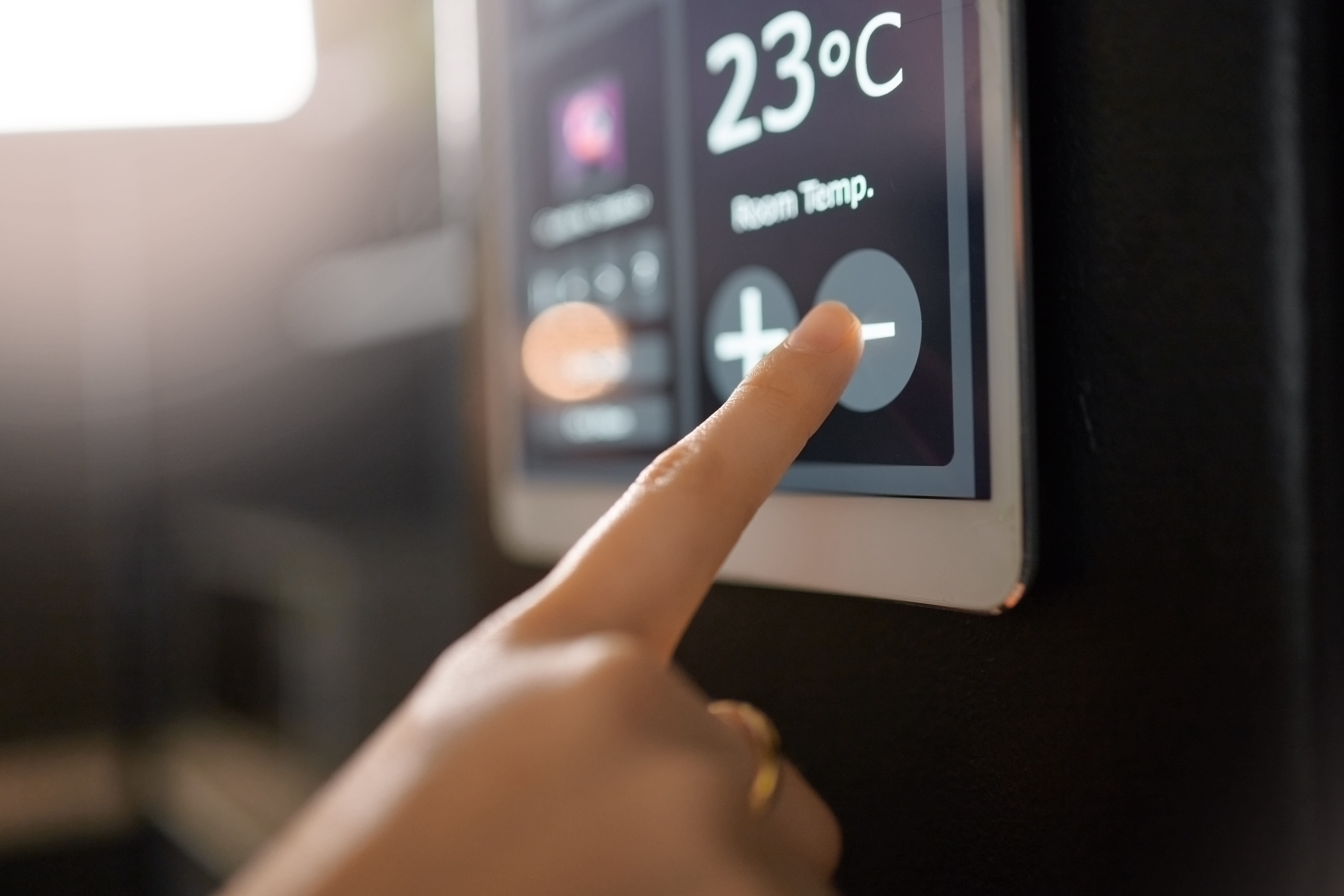
Smart homes offer a range of devices, each with unique benefits. Popular choices include smart thermostats, which can cut 10% off energy bills, and smart lighting, which offers convenience and savings. Smart security cameras and doorbells enhance home safety by alerting you to visitors or unusual activity.
Consider starting with essential devices like a smart thermostat and smart plugs. These provide immediate convenience and savings, making your smart home journey rewarding from the start. As you grow more comfortable, you can add more devices to suit your needs.
Budget-Friendly Smart Home Solutions
Smart homes don’t have to be expensive. Many budget-friendly options provide great value. Start small with devices like smart plugs or bulbs. These are affordable and easy to install, offering a good entry point into smart technology.
Look for sales or bundles that offer multiple devices for a lower price. Prioritize devices that offer the most significant benefits, like energy savings or enhanced security. This approach helps you build a smart home system gradually, spreading the cost over time.
Benefits of Hiring a Licensed Electrician
While some smart devices are DIY-friendly, professional installation has its perks. A licensed electrician ensures your setup is safe and efficient. They handle complex tasks like wiring and panel upgrades, giving you peace of mind.
Hiring a pro also saves you time and potential headaches. They can troubleshoot any issues quickly, ensuring your devices work perfectly. Remember, a well-installed system is a reliable one, making an electrician a smart investment in your home’s future.
In summary, smart home installations provide safety, convenience, and efficiency. By taking the right steps and seeking expert help when needed, you create a space that’s not only smart but secure and reliable.