
If your home was built or rewired between about 1965 and 1973, there’s a real chance some of it was wired with aluminum instead of copper. If you’ve read anything about that online, you’ve probably also seen the word “fire,” and now you’re wondering how worried you should actually be.
This page is here to give you the straight story, not a sales pitch. Aluminum wiring is not something to panic about, but it is worth understanding and worth having looked at by someone who knows what to check. The short version is that the risk isn’t the aluminum sitting in your walls. It’s the connections, where the wire meets your outlets, switches, and panel. Once you understand that, the whole topic gets a lot less scary.
First, the distinction that saves a lot of worry
Not all aluminum wiring is the same, and this is the part most homeowners never get told.
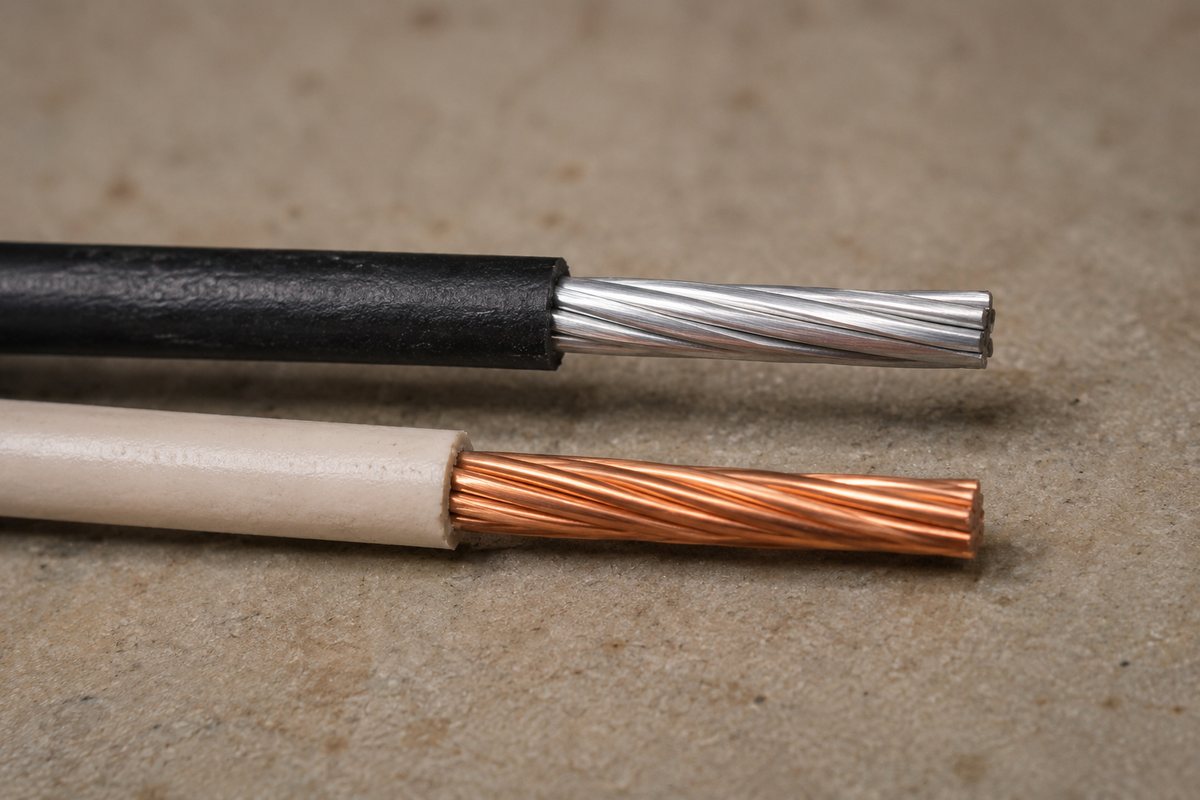
The thick aluminum cable that brings power from the utility to your meter and panel, and the larger aluminum wires that feed things like a range, a dryer, or a sub-panel, are completely normal. Electricians install large-gauge aluminum for those jobs every day, and it’s not a safety concern. If someone tells you your aluminum service wire is dangerous, be skeptical.
The kind worth paying attention to is small-gauge aluminum branch wiring, the wire that runs to your regular outlets and light switches. That’s the aluminum that was used in a lot of homes in the late 1960s and early 1970s, and it’s the kind where connections can give trouble over time. When this page talks about aluminum wiring “concerns,” this is what it means.
Why small-gauge aluminum branch wiring gets attention
For a stretch in the late 1960s and early 1970s, copper got expensive, and many homes were wired with aluminum for the branch circuits feeding outlets and switches. It worked fine on day one. The issue shows up over years.
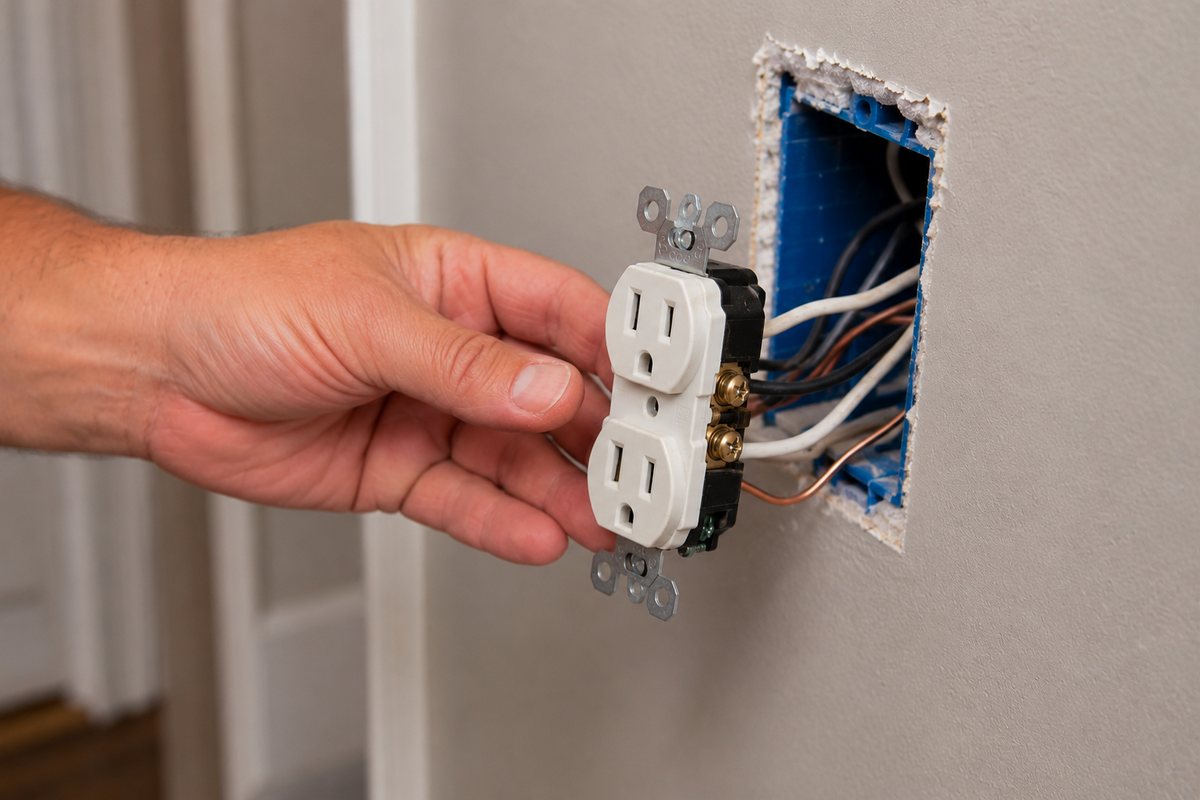
Aluminum expands and contracts more than copper every time a circuit heats up and cools down. Over time that movement can loosen the connections at your devices. Aluminum also oxidizes, which adds resistance, and resistance makes heat. A loose, warm connection behind an outlet is the thing you actually want to avoid, because that’s where problems begin.
None of that means your house is unsafe today. It means the connections are worth checking, and worth correcting if they need it.
How to tell if your home has it
A few signs point to aluminum branch wiring, though the only way to know for sure is to have it looked at:
- Your home was built or substantially rewired between roughly 1965 and 1973
- Outlets or switch plates that feel warm to the touch
- Outlets or switches that have stopped working, or work only sometimes
- A faint smell of hot plastic near a receptacle
- Markings on the cable jacket where wiring is visible that read “AL” or “aluminum”
If you’ve noticed any of the warm-to-the-touch or intermittent signs, stop using those outlets and have them checked. Those are the symptoms worth acting on.
What can go wrong if it’s ignored
Here’s the honest version, without the fear. Most aluminum-wired homes go years without an incident. But when something does go wrong, it tends to go wrong quietly, behind a cover plate where you can’t see it. A connection loosens, heats up over many cycles, and slowly damages the device and the wire around it.
The reason to deal with it isn’t panic. It’s that this is a known, fixable problem, and the fix is a lot easier than the damage a neglected connection can eventually cause.
How aluminum branch wiring gets addressed
There are a few accepted ways to deal with it, and the right one depends on the home.
In many homes, the answer is correcting the connections at each device so the aluminum is joined to copper properly and safely, using connectors made for that purpose. This is done at the existing outlets, switches, and junctions, so it usually doesn’t mean opening up walls.
In some homes, where the wiring has been added onto over the years or there’s other aging to deal with, a partial or full rewire makes more sense. You can read more about that on our whole-home rewire page.
The way we look at it is simple. We look first, we tell you what we actually found, and we explain which option fits your home and why before any work starts. We’re not going to talk you into a bigger job than your house needs, and we’re not going to wave off a real issue. If correcting the connections is the right call, that’s what we’ll say. If a rewire is genuinely the better long-term answer, we’ll explain why.
What it costs
The honest answer is that it depends on what we find, and we’ll show you what we find before we start. The number comes down to how many devices are involved, how your home is built, and whether the right fix is correcting connections or rewiring. What stays the same is how we handle the price. The number we show you is the number we quote, and you can see how we price our work on our pricing page.
Want someone to take a look?
If your home is from the aluminum era, or you’ve noticed a warm outlet or a switch that’s quit on you, the smart move is to have it looked at before it turns into a bigger problem. We’ll come out, check the connections, and tell you honestly where you stand.
Not sure what kind of wiring your home has? Our guide on how to tell what kind of wiring is in your home shows you how to recognize aluminum, copper, and the older types.
Frequently Asked Questions
Should I worry about aluminum wiring?
You should take it seriously, but you don’t need to panic. The aluminum itself isn’t the hazard. The connections are, at your outlets, switches, and panel. The right move is to have those connections checked and corrected if needed. Once that’s done properly, an aluminum-wired home can be perfectly safe to live in.
Is all aluminum wiring a problem?
No, and this trips a lot of people up. The large aluminum wire that feeds your panel, range, dryer, or a sub-panel is normal and not a concern. The kind worth attention is the smaller aluminum branch wiring that runs to your outlets and switches in homes from roughly 1965 to 1973.
How do I know if my home has aluminum branch wiring?
The biggest clue is age. Homes built or rewired between about 1965 and 1973 are the most likely to have it. You may also see “AL” or “aluminum” printed on the cable jacket where wiring is visible. Warm outlet covers, flickering, or outlets that quit working are signs worth having checked. The only way to know for certain is to have it looked at.
Is aluminum wiring a fire hazard?
It can be if the connections are left in poor condition. The concern isn’t the wire in the wall, it’s loose or corroded connections that heat up over time. That’s why correcting the connections is the heart of the fix. Done right, the concern is addressed at its source.
Do I have to rewire my whole house?
Not usually. In many homes the right answer is correcting the connections at each device so the aluminum is joined to copper safely, which is far less involved than a full rewire. A rewire makes sense in some homes, but it isn’t the default. We’ll tell you honestly which one your home needs.
When were homes wired with aluminum?
Branch wiring with aluminum was most common between about 1965 and 1973, when copper prices spiked. If your home is from that window, it’s worth checking. Homes built after that period are far less likely to have aluminum branch wiring.
Will aluminum wiring affect my home insurance?
It can. Some insurers ask about aluminum branch wiring and may want proof that the connections have been properly corrected before they’ll write or renew a policy. If that’s why you’re looking into this, let us know and we can talk about what your insurer is likely to want documented.
Is it safe to buy a house with aluminum wiring?
It can be a fine home to buy as long as you go in with eyes open. The right step is having the wiring evaluated so you know the real condition and what, if anything, it’ll take to make the connections safe. That turns an unknown into a number you can factor into your decision.
Can aluminum wiring be corrected without tearing up my walls?
In a lot of cases, yes. Correcting the connections is done at the existing outlets, switches, and junctions, so it usually doesn’t mean opening up walls the way a full rewire would. We’ll confirm what your home needs when we look.
Who do I call to look at aluminum wiring in Southeast Iowa?
T.A.P. Electric handles aluminum wiring concerns across Burlington, West Burlington, Keokuk, Fort Madison, and the surrounding area. We’ll check the connections, tell you honestly what we found, and give you a real price before any work starts. Give us a call or reach out through our contact page.