
If you still have a fuse box, or a breaker panel that trips every time the microwave and the coffee maker run at once, you already know something needs to change. Maybe an inspector flagged it. Maybe your insurance company won’t write the policy until the old fuse panel is gone. Maybe you opened the cover, saw a nest of wires, and shut it again.
T.A.P. Electric replaces panels and service entrances across Southeast Iowa and West Central Illinois, from a straight fuse-box-to-breaker swap to a full 100-amp-to-200-amp service upgrade. We pull the permit, coordinate the line drop with the utility, size every breaker to the wire it protects, and double-check every connection before we put the cover back on. Here’s what you should know before you do it.
What a panel upgrade actually costs
We don’t make you call just to find out we have prices. T.A.P. Electric publishes its pricing, and the number we publish is the number we quote. You can see it on our pricing page.
What moves the cost on a panel job is the work behind it. A simple panel swap, where the service size stays the same and the existing wiring is sound, sits at one end. A full service upgrade, where we install a new meter base, run new conduit for larger wires, add grounding, and coordinate the utility line drop, sits at the other. The honest answer is that the right number depends on what we find when we look at your setup, and we’ll show you what we find before we start. No surprises once the work is underway.
If something behind the wall changes the scope, an old splice, a damaged conductor, aluminum branch wiring, we stop and walk you through it before we keep going. You decide with the full picture in front of you.
How to tell it’s time
A panel doesn’t always announce itself. A few honest signs it’s worth a look:
- You still have a fuse box, especially a 60-amp one. Most older fuse panels weren’t built for how much a modern house pulls.
- Breakers trip often, or a fuse blows and half the house goes dark.
- You’ve been replacing a blown fuse with a bigger one to make the nuisance stop. This is the dangerous one. A bigger fuse lets more current run on wire that wasn’t sized for it, so the wire can fail before the fuse does. The fuse was doing its job; a bigger one just hides the warning.
- The panel hums, buzzes, hisses, or pops, or you smell something hot near it.
- You see dark spots or discoloration on the conductors near a connection point. That’s usually a loose connection heating up, and loose connections are behind a lot of electrical trouble.
- An inspector or your insurance company has told you the panel has to be replaced before a sale or a new policy.
- You’re adding load the panel can’t carry, a hot tub, an EV charger, a shop, central air.
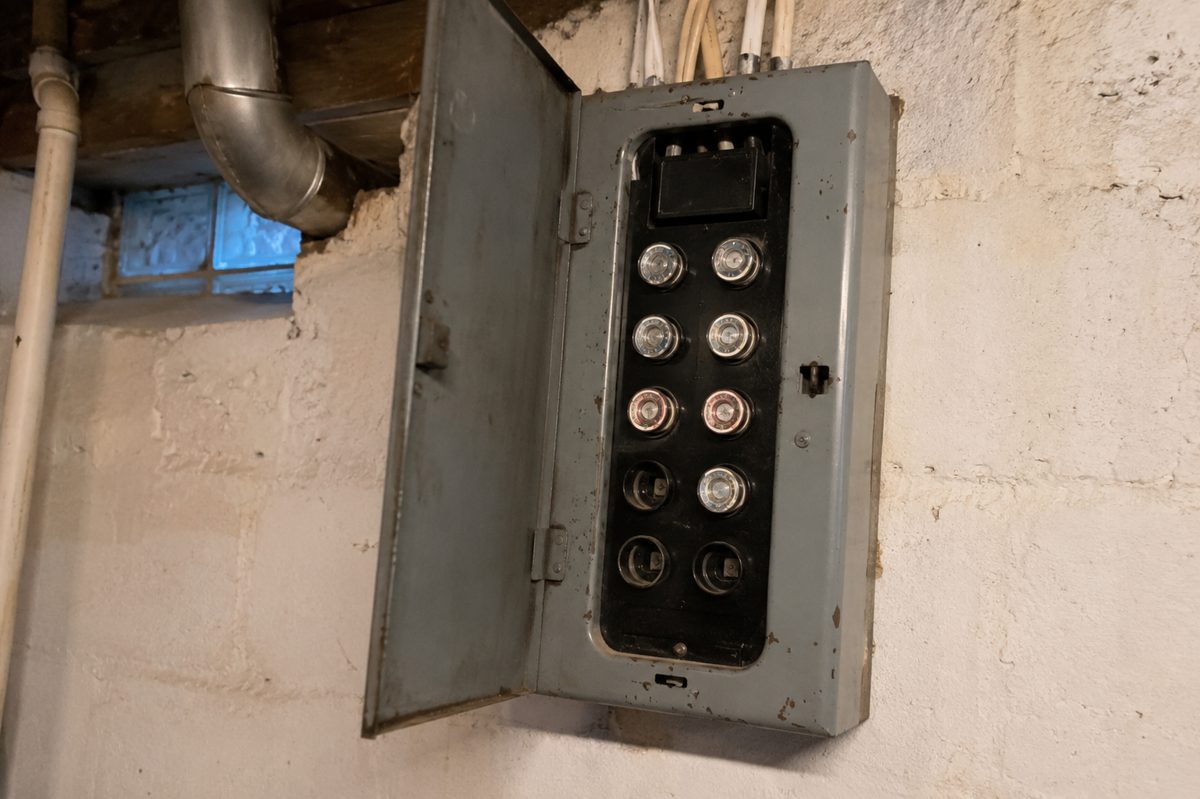
If any of those sound familiar, call us and let us take a look. We’d rather check it and tell you it’s fine than have you guess.
What we do when we replace a panel
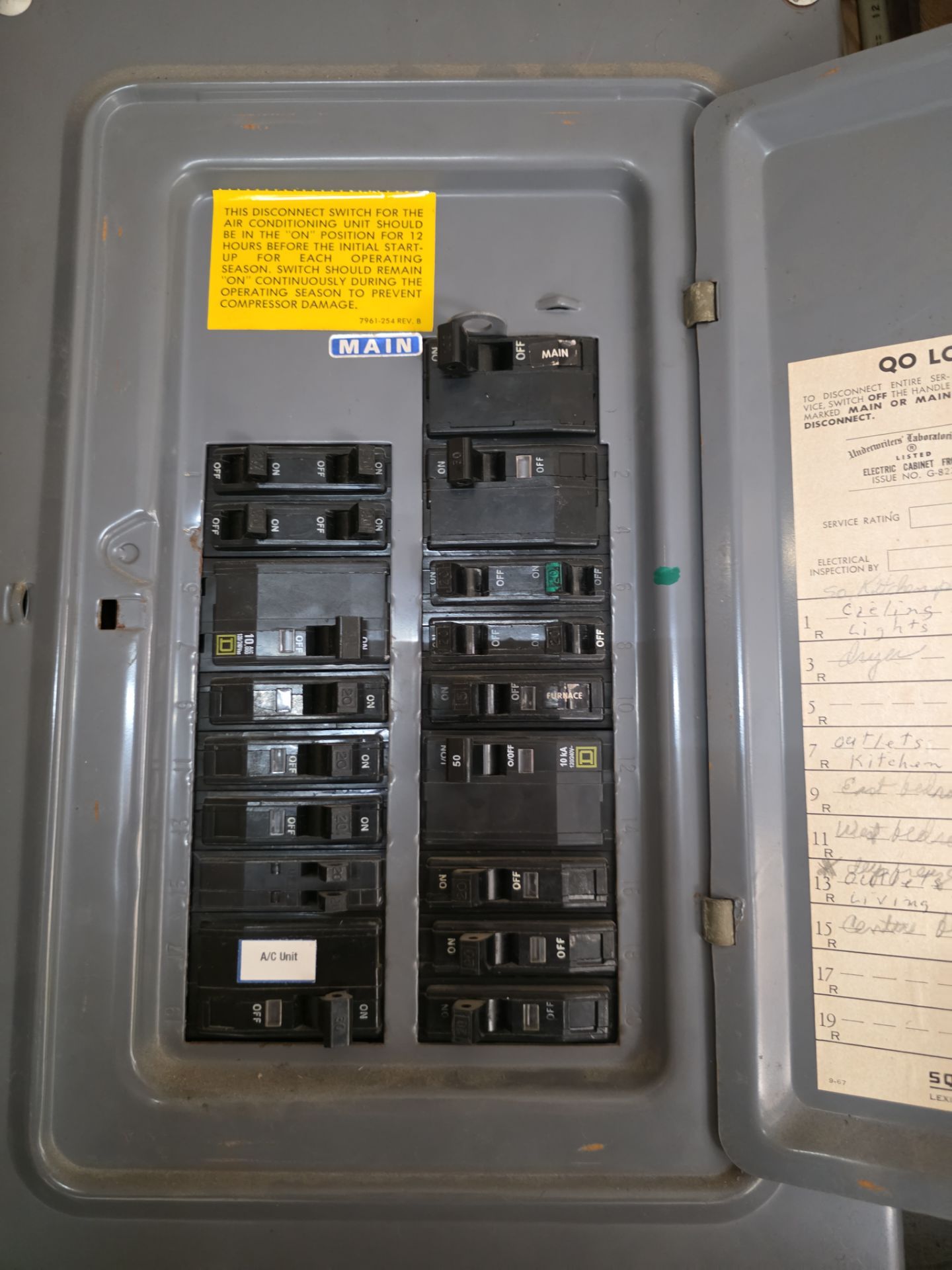
When T.A.P. Electric installs a new panel or service, the size is matched to the job, single-phase or three-phase, residential, commercial, or industrial. Every breaker gets sized to the wire it’s protecting, so a 20-amp breaker is on wire rated for it and not a hair more. We inspect everything we install and double-check every connection, because a loose connection won’t show up the day we leave, it shows up months later as a dark spot or a dead circuit.
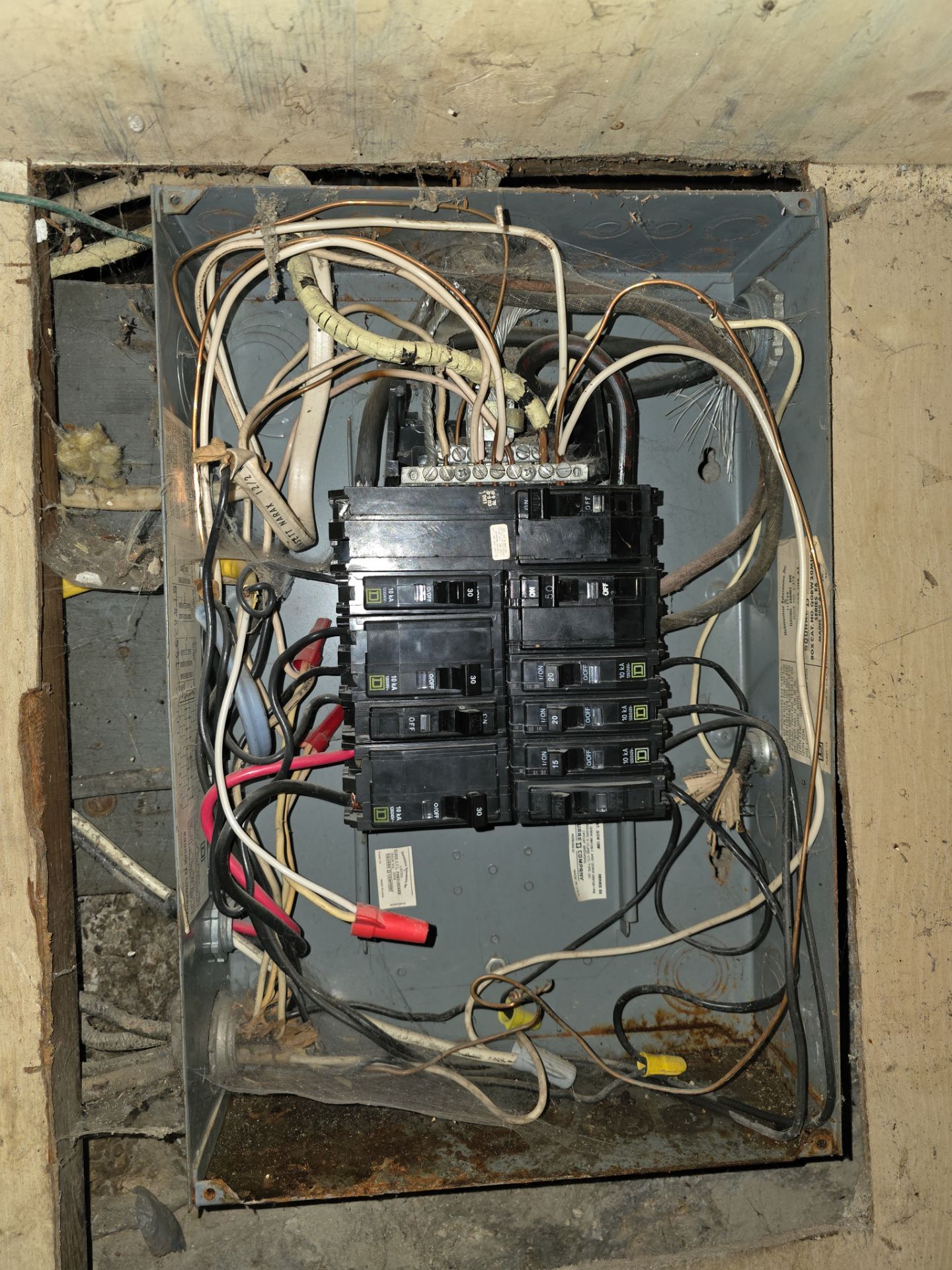
We ground and bond the service the way it’s supposed to be done, one bond, at the service, not in your sub-panels. Done wrong, a breaker may never trip during a ground fault, which leaves metal parts in your house energized. That’s the difference between a licensed electrician and a handyman, and it’s exactly the kind of thing we’re looking for. If you want your circuits labeled while we’re in there, we’ll label them. Most panels never get that done, and you’ll be glad it was.
What sets us apart from a typical Southeast Iowa electrician
Plenty of electricians around here won’t show you a number until they’re standing in your driveway. We publish ours. We also won’t take the shortcut. The cheap fix for a blowing fuse is a bigger fuse, and the cheap fix for a loose connection is to tighten it and move on. We find the actual cause first, because the actual cause is what keeps you safe. Arc flash and electrocution are the two real hazards around a live panel, and they’re why this isn’t a weekend project. It’s also why we double-check the work instead of trusting that the first pass was right.
What our neighbors say
“Troy came to my house and installed a new 200 amp meter base with disconnect service for my garage. Troy was prompt with returning calls. Professional service in a timely manner. Would definitely recommend him.”
— Michelle H., Keokuk
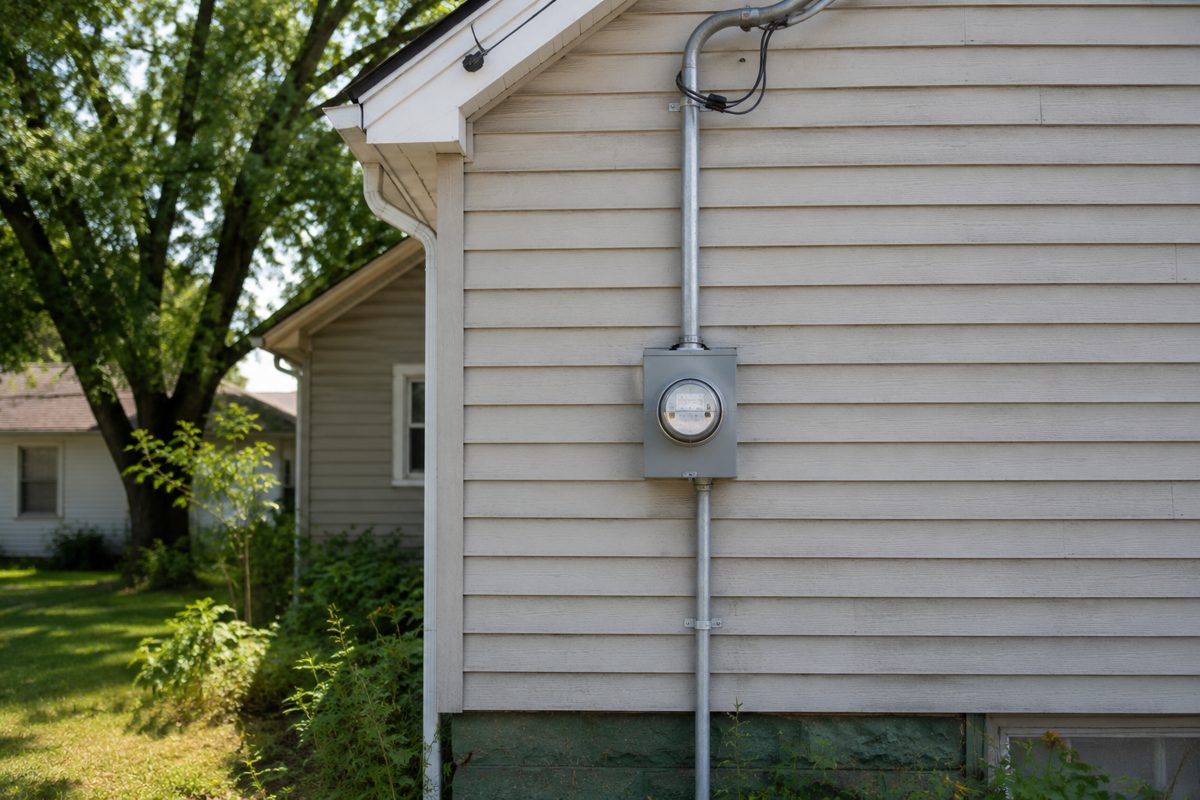
“Called for an estimate to upgrade from an old 60 amp fuse to get a 200 amp installed. Troy came out, looked at what I had going on, and gave me a quote. The 200 amp panel upgrade, in my opinion, wasn’t bad at all after hearing a couple other quotes. He installed a new meter base with service disconnect, ran new conduit for the larger wires, installed two grounding rods, set the new 200 amp panel, pulled the permits, and had Alliant come do the line drop. Troy took care of everything for me.”
— Steve W.
Frequently asked questions about panel upgrades
What does it cost to upgrade the panel in my house?
We publish our pricing, and the published price is the price we quote, see the pricing page. The final number depends on whether it’s a straight panel swap or a full service upgrade with a new meter base, conduit, and grounding. We’ll look at what you have and show you the number before any work starts.
Why do my breakers keep tripping?
A breaker trips to protect the wire from carrying more current than it’s rated for. Occasional trips when you overload a circuit are the breaker doing its job. Frequent trips usually mean a circuit is overloaded, a breaker is failing, or there’s a fault in the wiring. We find the actual cause instead of just resetting it.
Why does half my house lose power when a fuse blows?
In a lot of older homes, one fuse feeds a large part of the house. When it blows, everything on that circuit goes dark. It’s a sign the panel was never set up for how a modern home uses power, and it’s a common reason people move from fuses to breakers.
Is it safe to keep putting a bigger fuse in?
No, and this is an important one. A bigger fuse lets more current flow on wire that wasn’t sized for it. The wire can overheat and fail before the oversized fuse ever blows. The fuse blowing was the warning. The fix is to find why it’s blowing, not to silence it.
My insurance company says I have to replace the fuse box before I can buy the house. Can you help?
Yes. This is a common request, especially on older homes. We’ll replace the fuse box with a properly sized breaker panel, pull the permit, and get it inspected so you have what the insurer and lender need.
How do I know if my panel is safe?
Signs worth a look: a fuse box, frequent trips, a hum or buzz, a burning smell, or dark spots on the conductors near connections. If you’re not sure, call and we’ll inspect it. There’s no harm in having it checked.
Is aluminum wire in a panel safe?
Aluminum needs the right connections and terminations to be safe, and older aluminum work is a frequent source of trouble at the panel. We check for it and address it correctly when we find it, rather than leaving a connection that can loosen and heat up over time.
Do I need a ground rod for my panel? Does it protect my house from lightning?
Ground rods handle surges, the static discharge from things like lightning, not your breaker tripping. They’re not built to take a direct lightning strike; they bleed off the surge. Grounding and bonding inside the panel are what make a breaker trip during a fault. Both matter, and we make sure both are done right.
How long do circuit breakers last, and how often should a panel be replaced?
There’s no single expiration date. A quality panel and breakers can run for decades when they’re installed right and not overloaded. We look at condition, load, and how the panel was wired rather than the calendar. If it’s an old fuse box or a known-problem panel, that changes the math.
Can I install my own panel?
We’d steer you away from it. The two real hazards at a live panel are arc flash and electrocution, and both can be serious. This is licensed work for good reason. If you want to understand the risk, look up a few arc-flash videos, then call us.
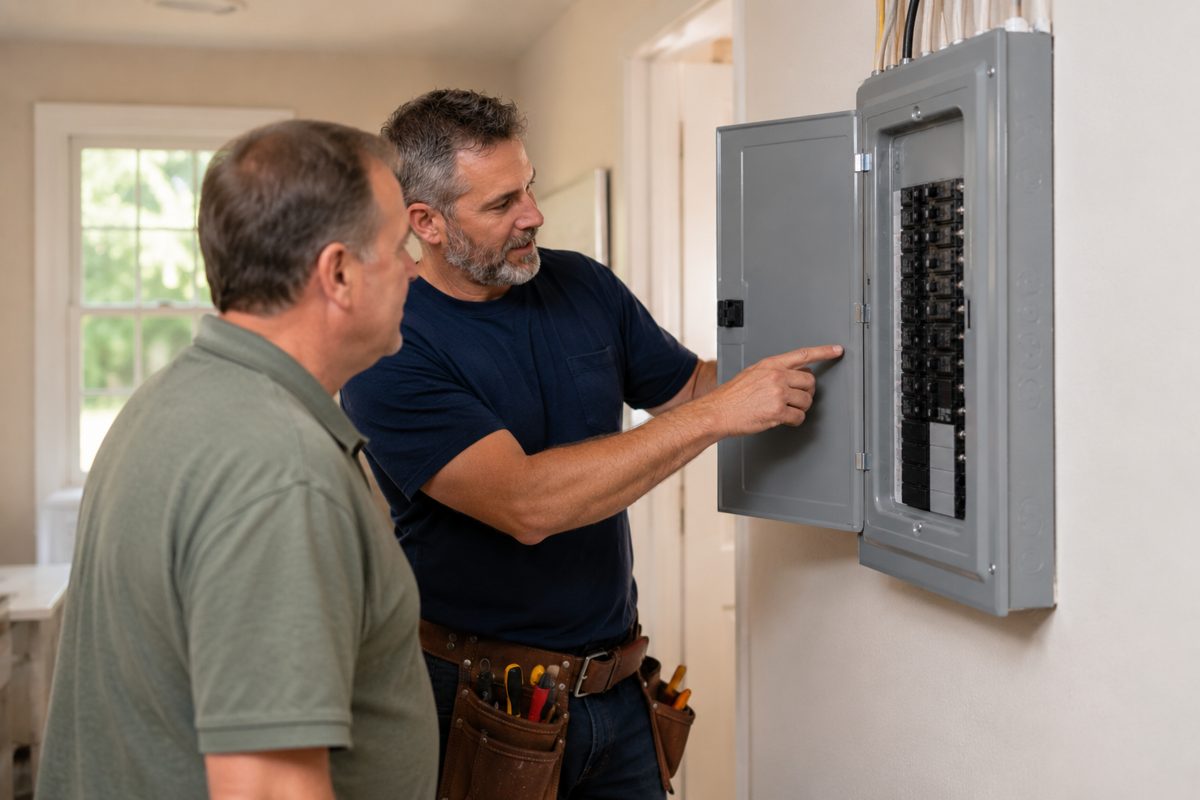
Worried about your panel, or just tired of resetting breakers? Call T.A.P. Electric and we’ll take a look. We’ll show you what we find and what it costs before we start.